
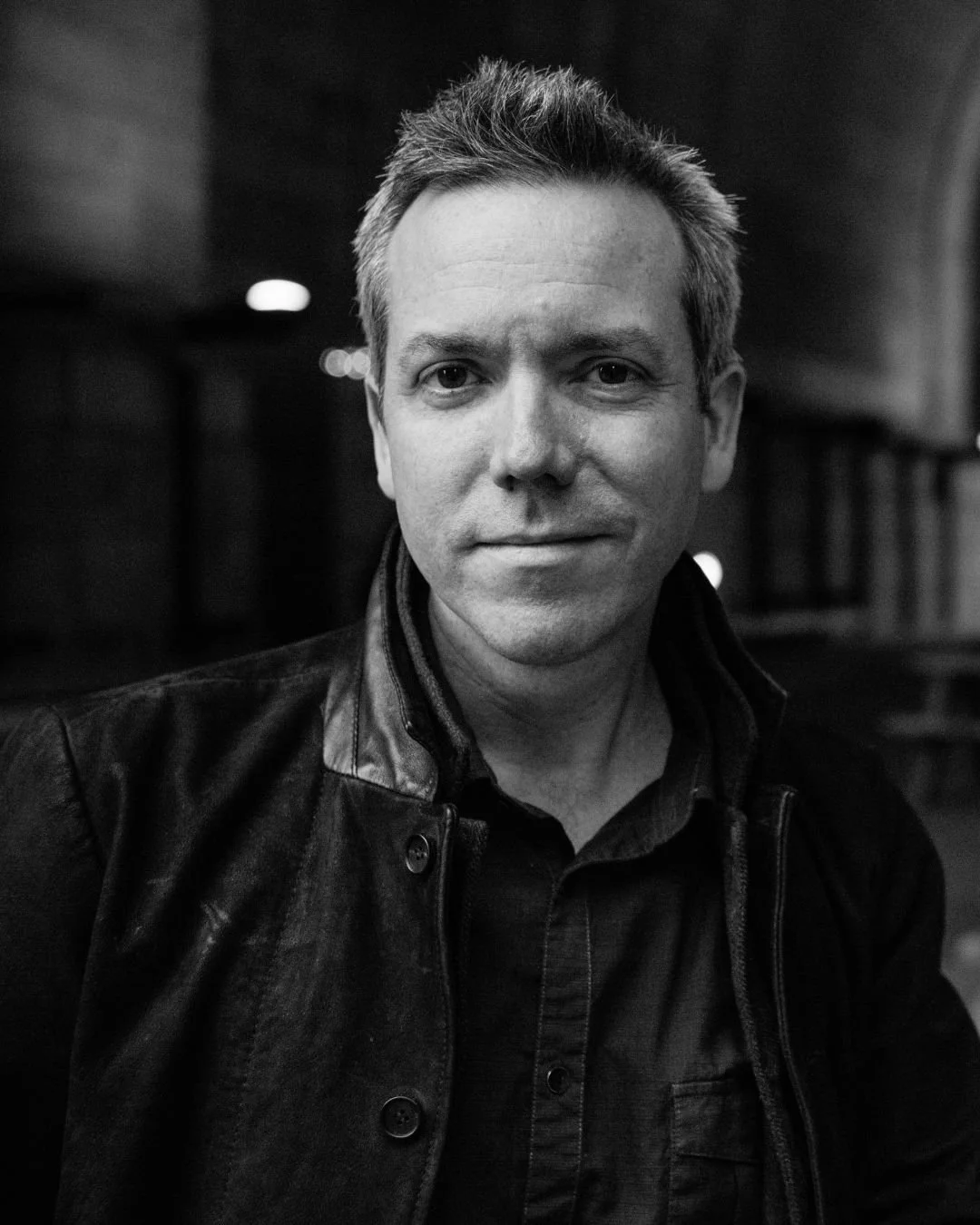
Episode 35: Nathan Thornburgh: Food, Politics & Storytelling
In our final episode of the season, journalist and Roads & Kingdoms co-founder Nathan Thornburgh explores food, politics, migration, and identity. Drawing on his experience as a foreign correspondent, he reflects on storytelling beyond the headlines and how food can reveal the human connections that politics often obscures.

Episode 34: Hawa Hassan: Foods That Endure, Recipes and Stories from Countries Shaped by War
Hawa Hassan, author of In Bibi's Kitchen, explores the rich culinary traditions of eight African countries bordering the Indian Ocean. Through recipes and stories gathered from grandmothers, she documents a remarkable diversity of foodways shaped by trade, migration, and resilience, preserving cultural knowledge and celebrating the enduring power of food.
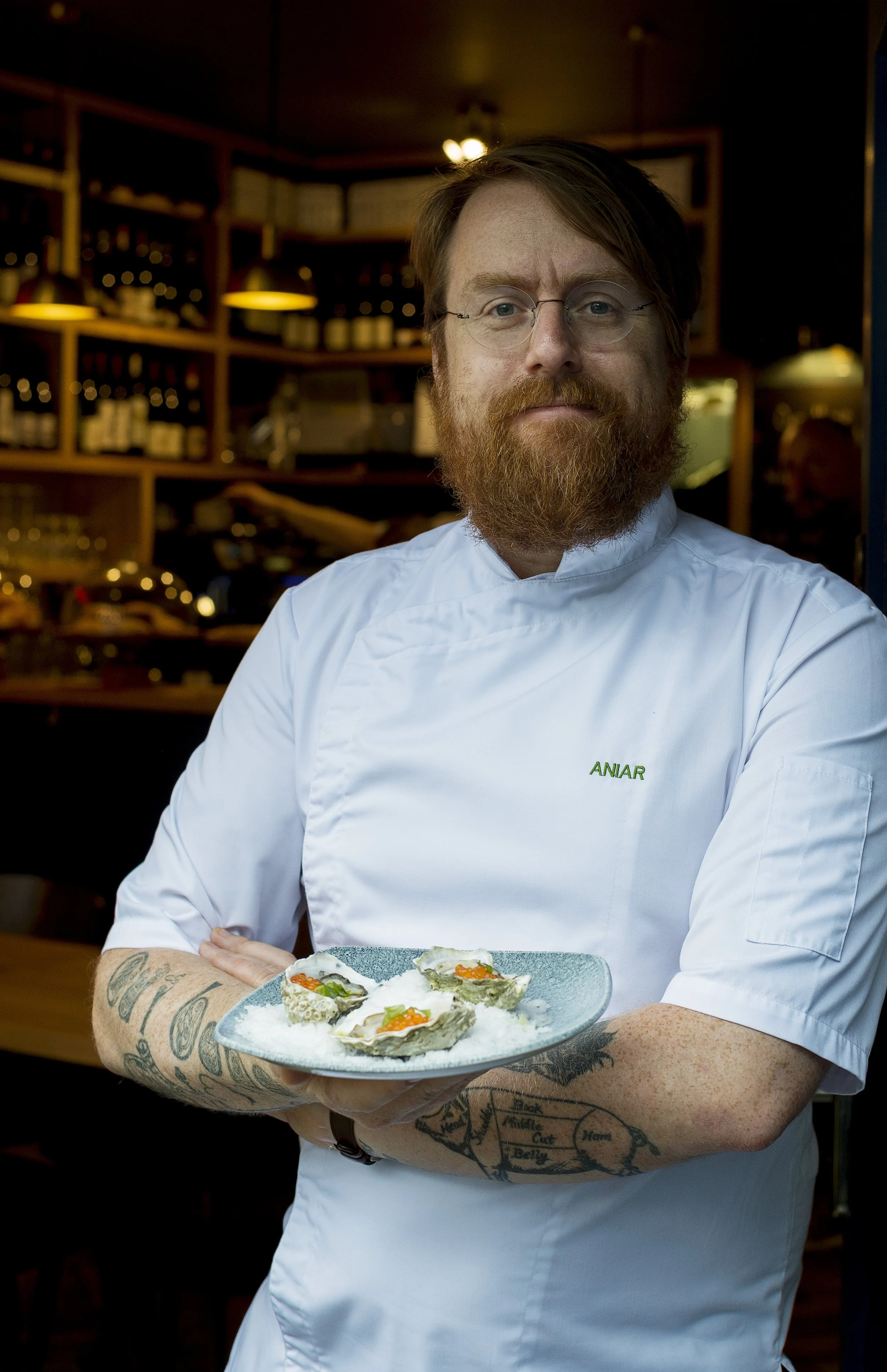
Episode 33: JP McMahon: Famine, Food Memory, and the Making of New Irish Cuisine
Chef JP McMahon of Galway's Michelin-starred Aniar and founder of Food on the Edge explores how colonization, land ownership, and the Great Famine shaped Ireland's food culture and national identity. Drawing on years of research into Irish food history, JP discusses the potato's legacy, forgotten native ingredients, and the evolution of New Irish Cuisine.
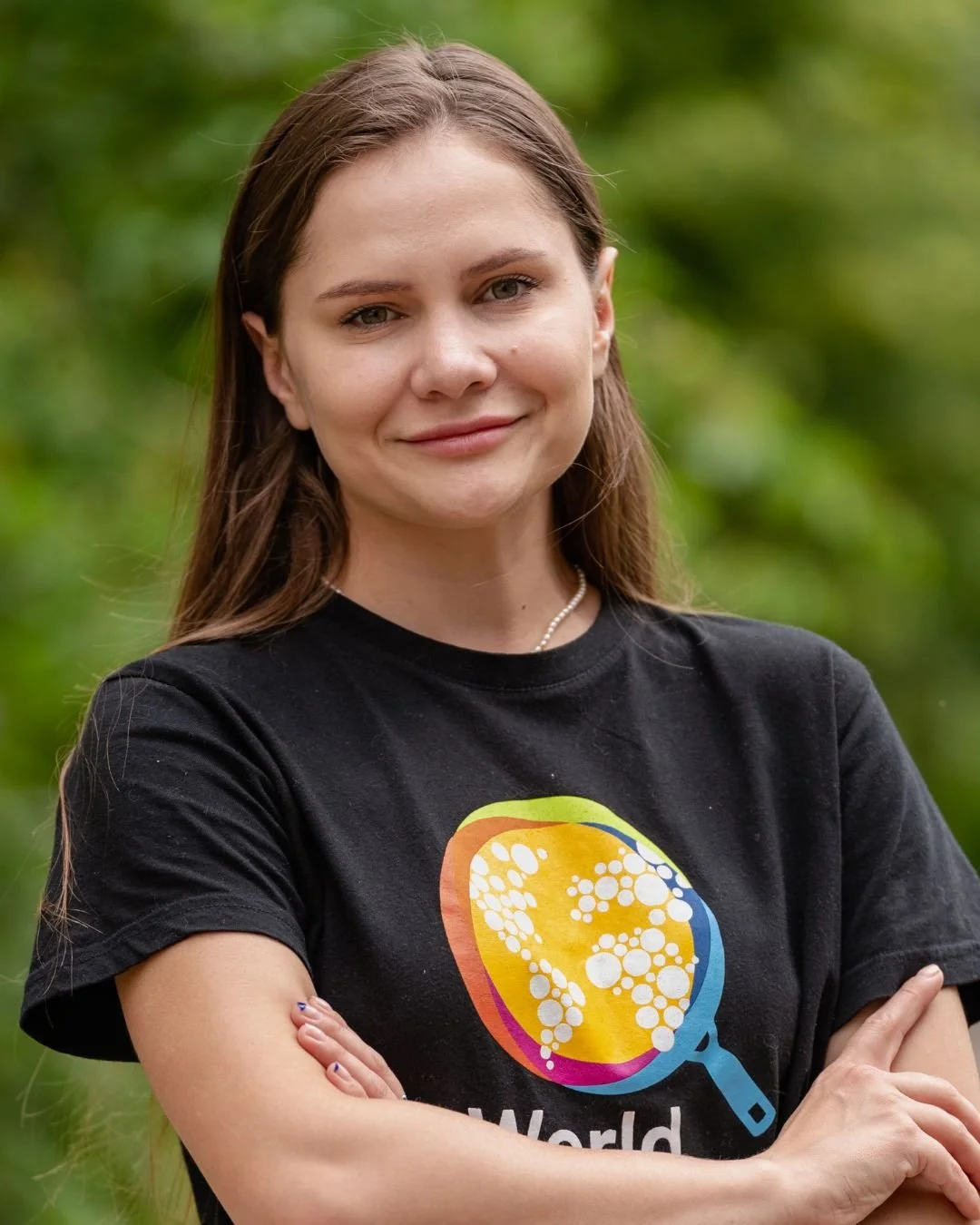
Episode 32: Yuliia Tymoshenko: The Ukrainian Kitchen and the Spirit of Resilience
Yuliia Tymoshenko the Culinary Operations Lead of World Central Kitchen in the Ukraine discusses her role in providing food relief in the war-torn country, where meals offer both nourishment and emotional connection. Raised cooking beside her grandmother, Yuliia shares how traditional foods like borscht and varenyky help preserve culture, comfort communities, and create resilience amid displacement, conflict, and uncertainty.
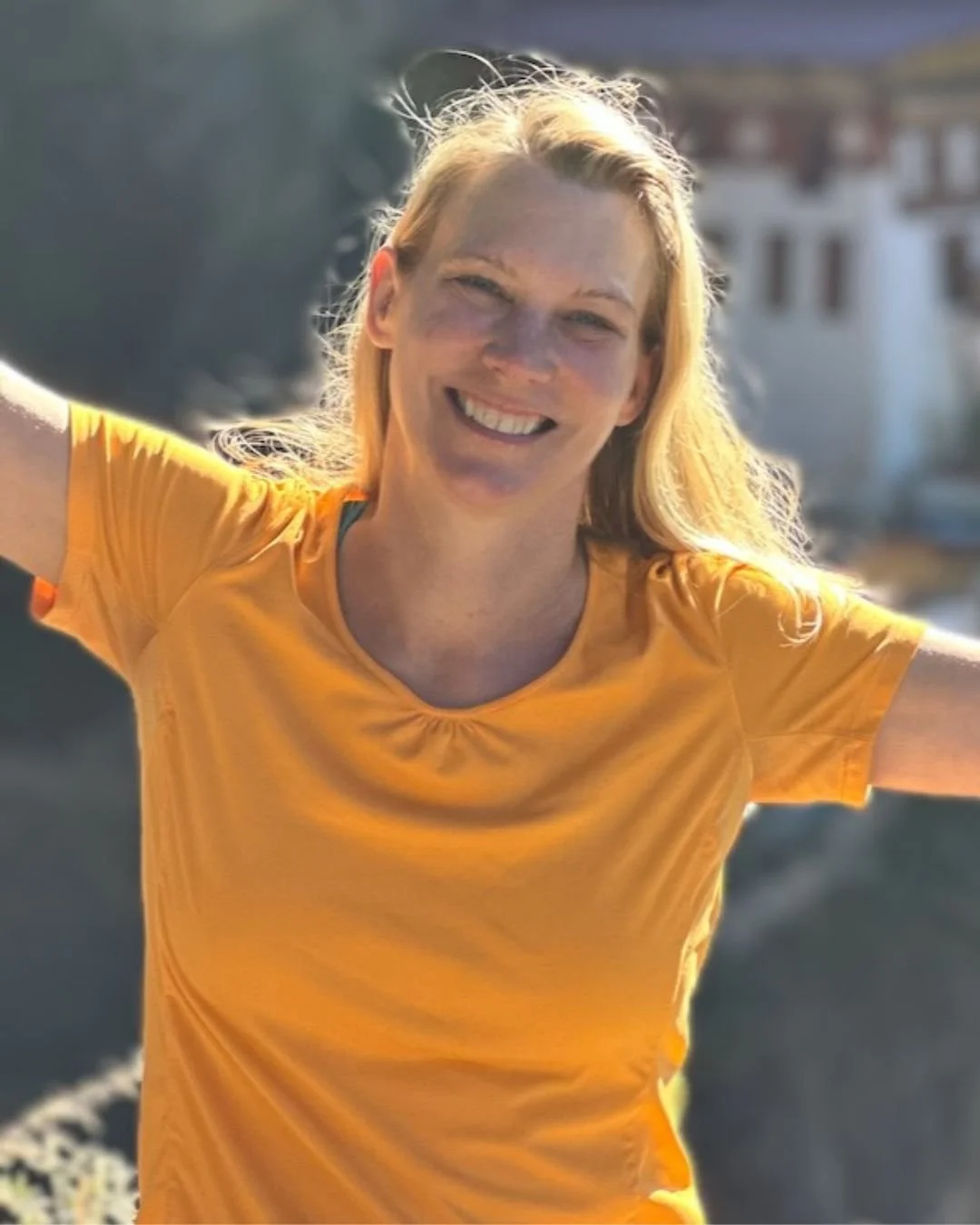
Episode 33: Nicole Melancon: Survival Food Amid Occupation
What happens when a city’s immigrant population becomes the target of its own government? Thousands of vulnerable people go into hiding, relying on the compassion and support of their neighbours for basic food security. We spoke with journalist Nicole Melancon, who helped support an organized food relief effort in Minneapolis, about how a community came together to feed families while facing uncertainty about their own future.

Episode 31: Bettina Iseli, Food Security at the Crossroads of Conflict, Climate, and Aid.
Bettina Iseli of Welthungerhilfe joins us to discuss global food security, humanitarian aid, climate resilience, and conflict. Drawing on decades of experience in vulnerable regions, she explores the challenges of delivering aid, strengthening local food systems, and navigating the growing political and ethical complexities facing international humanitarian organizations today.
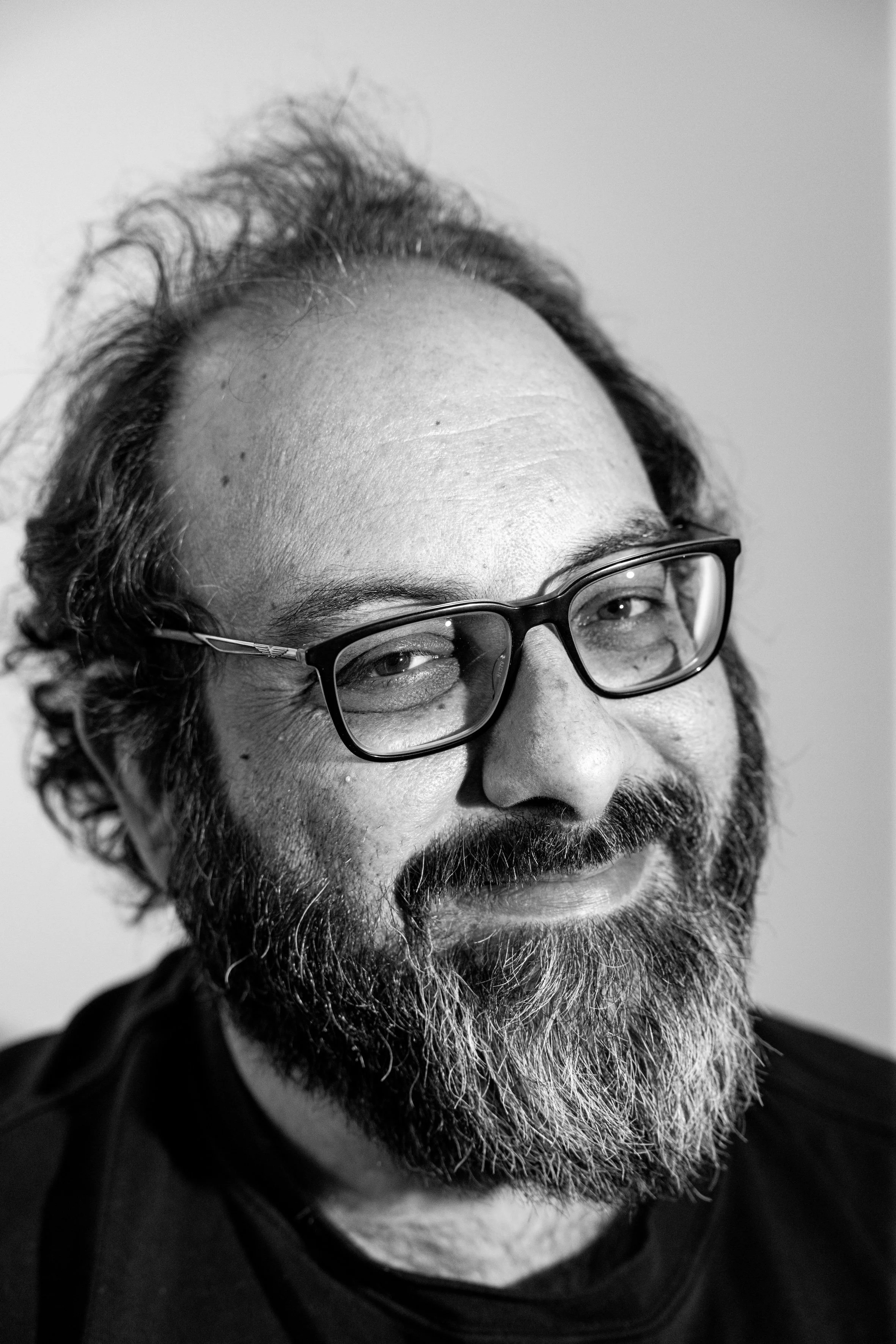
Episode 30: Fadi Kattan: Food is Political
Fadi Kattan explores the intersection of Palestinian cuisine, identity, memory, and cultural preservation. Recorded amid escalating conflict in the Middle East, this conversation reflects on food as storytelling, resilience, and humanity. Through restaurants, writing, and hospitality, Fadi shares how cuisine preserves heritage, dignity, and connection in times of displacement.

Episode 29: Ksenija Hotic: Interrupted Memory- Food, War, and the Reconstruction of Home
Ksenija Hotić’s story is rooted in displacement, resilience, and food as cultural memory. Fleeing Bosnia in 1992, her family rebuilt life in exile, with food preserving identity and continuity. Now based between Toronto and Bosnia, she is an award-winning photographer and writer documenting global food cultures, currently creating a personal cookbook exploring memory, belonging, and connection.
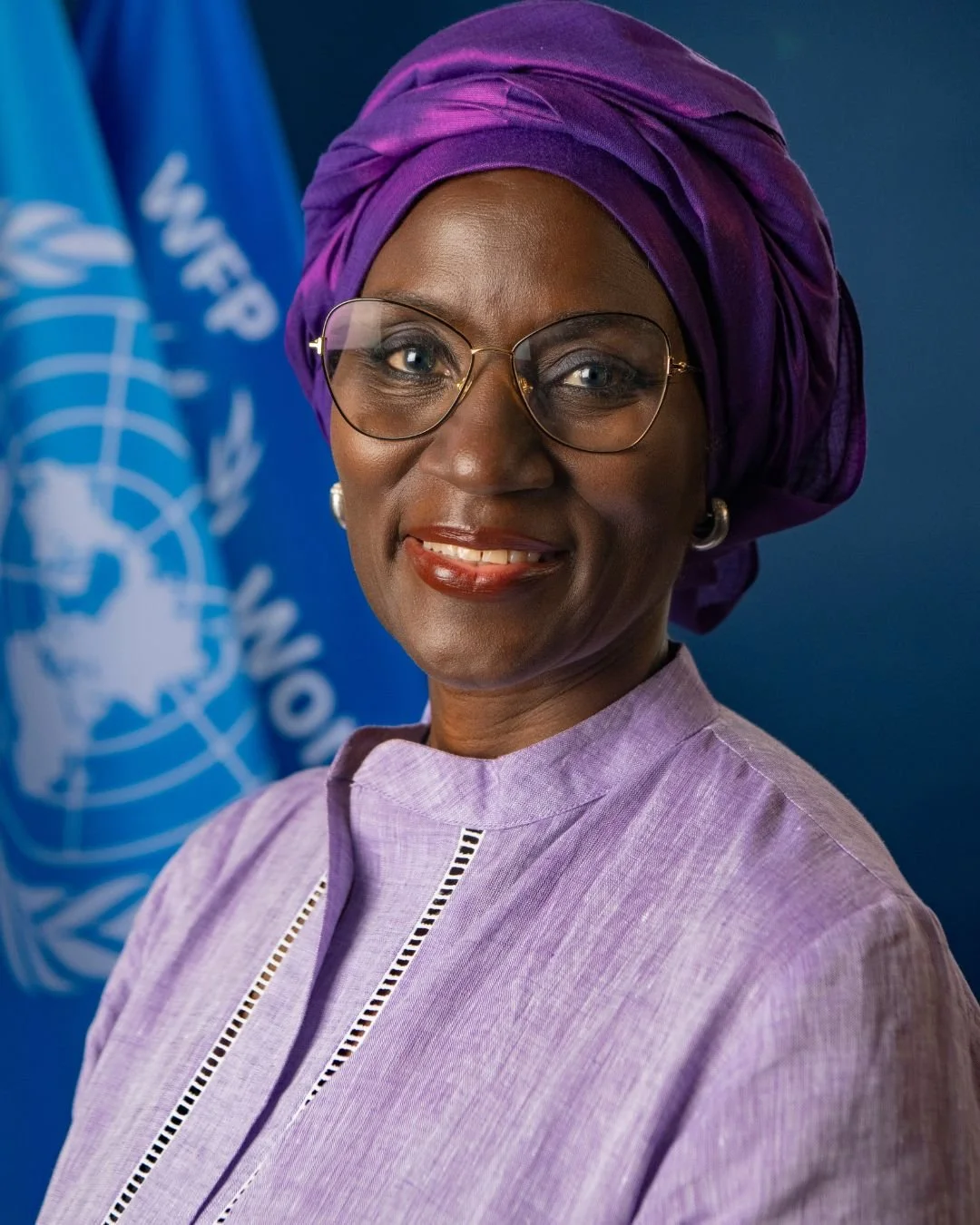
Episode 28: Kinda Samba: Hunger, Power, and the Politics of Food in the Sahel
Who gets to eat when food runs out? Kinday Samba, Regional Director for West and Central Africa at the UN World Food Programme, draws on over 30 years of experience to unpack how war drives malnutrition and the trade-offs when funding falls short. As food systems collapse, women and children suffer most, and instability spreads far beyond the region, fueling displacement, trafficking, and conflict.
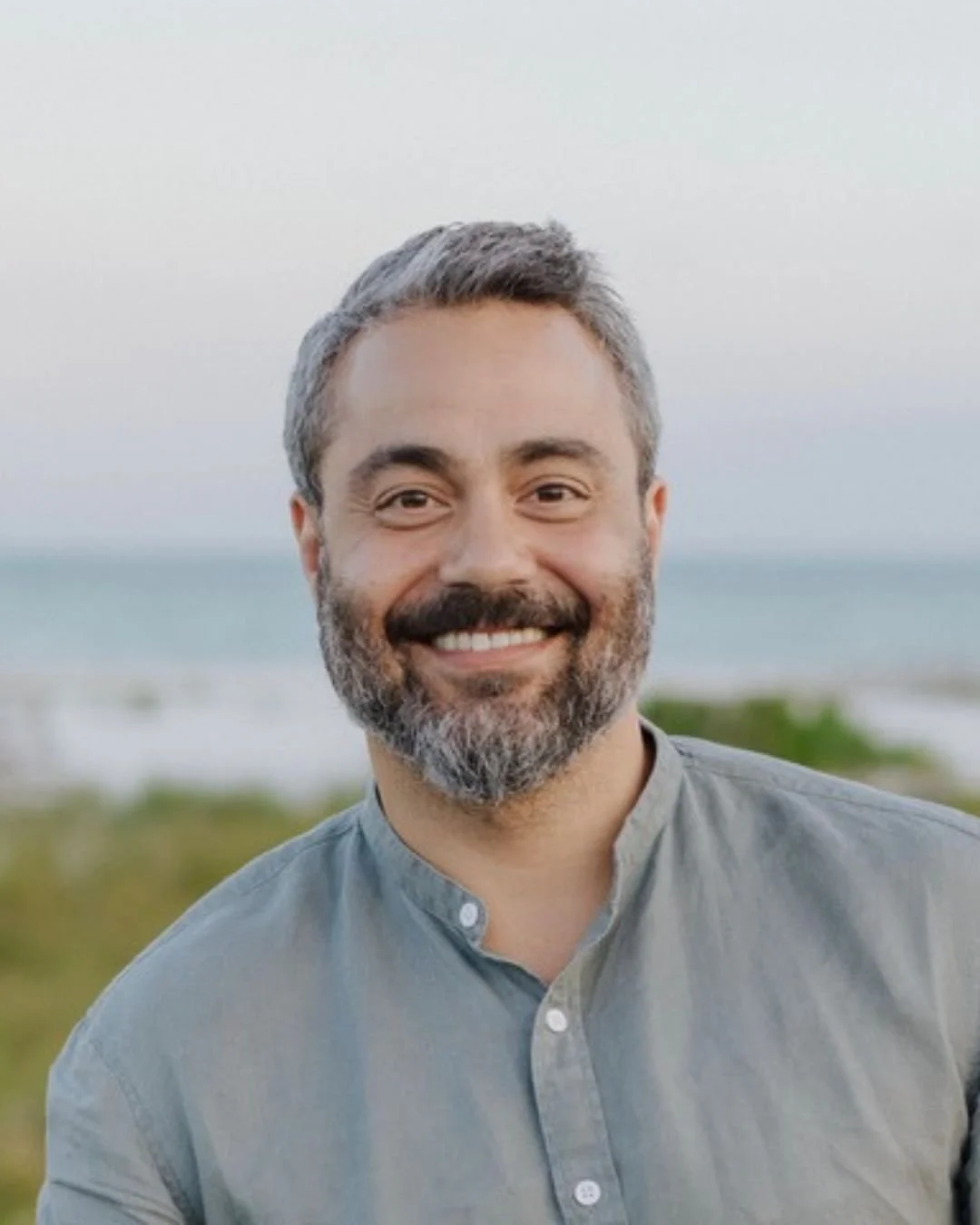
Episode 27: Michael Shaikh, The Last Sweet Bite: Food, War & Cultural Survival
Michael Shaikh, New York–based writer and human rights investigator, joins us to explore food in conflict zones. His book The Last Sweet Bite reveals how war reshapes not just lives, but what and how people eat. From Myanmar to Uyghur regions, food becomes both a tool of control and an act of resistance. This conversation uncovers how culinary traditions endure under extreme pressure. A powerful look at dignity, identity, and survival, told through the lens of food, memory, and the people who refuse to let their culture disappear.

Episode 26: Nancy Matsumoto: Reaping What She Sows, The Maternal Art of Stewardship
Nancy Matsumoto’s lifelong love of writing and storytelling has led to an accomplished career as a journalist and author. Though much of her work explores food and culture, she has also written about sake, childhood nutrition, and her family’s history, including a moving book of translated poetry from her grandparents’ World War II internment. Her latest book, Reaping What She Sows, examines how care, leadership, and creativity can shape a more just and sustainable food system. For our final Only a Woman episode, Nancy reflects on the deeply maternal stewardship of food and the lessons it offers in resilience and change.

Episode 25: Palisa Anderson: Migration, Motherhood & Regenerative Farming
Palisa Anderson inherited more than a restaurant — she inherited a legacy rooted in migration and food. Her mother, Amy, founded Chat Thai in 1989 after arriving in Australia and built it into a group of nearly nine restaurants, now one of Sydney’s most beloved Thai dining institutions. After years abroad, Palisa returned home to join the family business, determined to source produce locally and grow it according to organic principles. She founded Boon Luck Farm, cultivating Thai herbs and rare crops through regenerative practices. Guided by the belief that human health begins with soil health, she now nourishes both community and land.
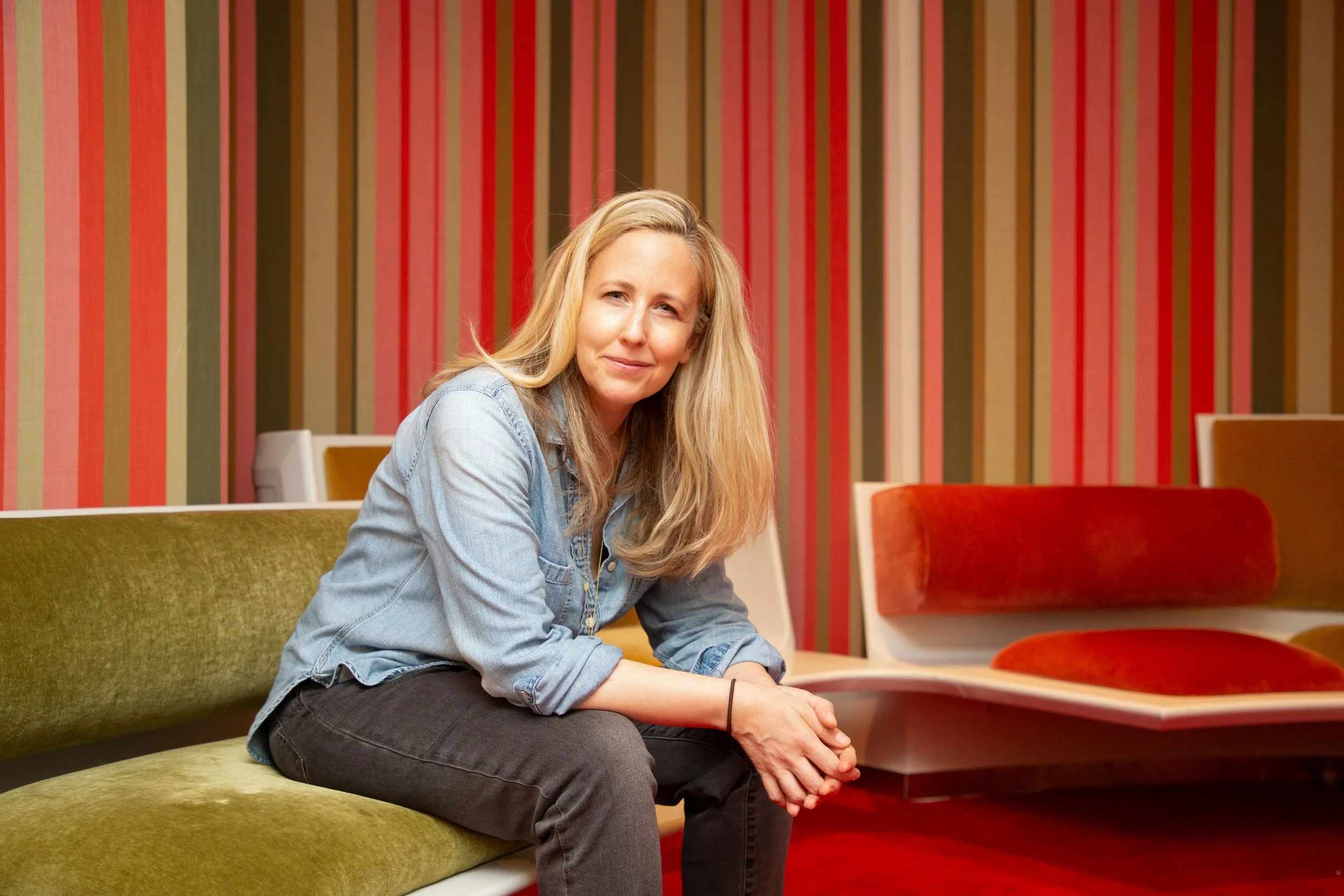
Episode 24: Laurie Woolever: Care and Feeding
Care and Feeding is about relationships, and in this episode we sit down with Laurie Woolever, bestselling author, editor, and longtime right hand to Anthony Bourdain. Laurie’s career has taken her from private cook and caterer to cookbook collaborator with Mario Batali and Bourdain, and editor at Art Culinaire and Wine Spectator. Her raw, unflinching memoir pulls back the curtain on life behind the spotlight, exploring what it means to be “the woman behind the man” while firmly establishing her own powerful voice in food writing.

Episode 23: Alice Waters: Farm to Table Legacy & Culinary Revolution
We were fortunate to sit down with Chef Alice Waters, often called “the mother of American cooking.” Credited with launching the farm-to-table movement and defining California cuisine, she opened Chez Panisse in Berkeley in 1971, a restaurant so iconic chefs worldwide still make pilgrimages there. Through six books, the Chez Panisse Foundation, and the Edible Schoolyard Project, Waters has influenced everything from school lunch programs to Michelle Obama’s White House garden. Honored with multiple James Beard Awards and the National Humanities Medal, she remains an enduring culinary inspiration.

Episode 22: Sophia Hoffmann: Intersectionality, Advocacy & Politics in the Kitchen
Sophia Hoffmann, chef-owner of HAPPA Restaurant in Berlin, is a trailblazer in plant-based cuisine and zero-waste cooking. A passionate advocate for gender equality, diversity, and social justice, she unites sustainability and creativity in her kitchen. The author of four German-language cookbooks, Sophia has earned international recognition. In this episode, we discuss the challenges she faced working in top restaurants and how she built a kitchen designed to truly embody her principles.

Episode 21: Monica Brown: A Power House Behind the Fine Dining Scene
Considered an icon and tastemaker by some of the world’s greatest chefs, Monica Brown has built a career that spans the globe, helping visionary talent achieve international success. Founder of Lotus Land, an agency renowned for shaping the global narrative of gastronomy and hospitality, she has spent over two decades championing chefs, launching icons, and redefining how food is communicated. We were delighted to speak with her about the challenges of representing some of the industry’s biggest names while also finding her own values and recognition. By embracing her journey and acknowledging the challenges of being a female leader, Monica has travelled the world and built what she describes as “a perfect career” in gastronomy.

Episode 20: Gail Simmons - A Life in Food, Mentorship & Media
Gail Simmons’ love of food began at home, where meals and travel inspired her culinary path. With a degree in Anthropology, she views food as a portal to culture. A trained expert, writer, and long-time Top Chef judge, Gail built a career at the intersection of cooking, storytelling, and advocacy. In this episode, she shares her journey from Toronto to New York, breaking barriers for women in kitchens, and her insights on mentorship, equity, and food’s global impact.

Episode 19: Trine Hahnemann: Food, Feminism & Cooking with Conscience
Danish chef, author, entrepreneur, and food activist Trine Hahnemann joins us to discuss feminism, kitchen culture, and why the old brigade system needs to change. From cooking on tour with the Bands in the 90s to running one of Copenhagen’s most respected catering companies, Trine has never shied away from speaking the truth—and keeping her commitment to the community that she learned at a young age while growing up in a commune. Tune in for a conversation about toxic traditions, building more humane kitchens, and what it means to lead with care—and to provide a better space for women.

Episode 19: Karin Desveaux - Pioneering Palates and Shaping the Culinary Future
Karin Desveaux is a renowned Canadian chef, educator, and local food pioneer. In this episode, Karin shares her experiences navigating a male-dominated industry, balancing entrepreneurship and motherhood, and finding her voice as a leader. She discusses her transition to education at Loyalist College, where she’s mentored aspiring chefs for over 15 years, weaving creativity, sustainability, and wellness into her teaching. With candor, Karin reflects on the evolving opportunities for women in food, the importance of mentorship, and her vision for a more inclusive and sustainable industry.

Episode 18: Eden Hagos: Turning Ethiopian Roots into a Voice for Women in Black Food Culture
Eden Hagos is an entrepreneur, food writer, and advocate for Black culinary culture. She joined us to discuss how a negative dining experience led her to shift career paths—from education to food influencer. She launched Black Foodie, a media platform and creative agency that celebrates African, Caribbean, and Southern cuisines through a Black lens. Inspired to embrace her cultural roots—Eden created space to explore the rich diversity of Black cuisine. Her mission is to build a community that shifts narratives, celebrates heritage, and uplifts Black chefs and food entrepreneurs while trying to perfect her mother’s injera recipe.